

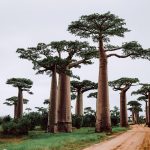

Mongongo (Schinziophyton rautanenii) seed oil
| PRODUCT INCI NAME | Mongongo (Schinziophyton rautanenii) seed oil |
| PLACE OF ORIGIN | Namibia |
| EXTRACTION METHOD | Cold press |
| PART OF PLANT | Seeds |
| CAS number | 90063-86-8 |
| EC number | 273-313-5 |

MONGONGO (Manketti) OIL PROPERTIES
Mongongo Oil also known as Manketti Oil is extracted from the kernels of Mongongo tree, an endemic plant to Africa from the Kalahari Desert situated in the South between Botswana, South Africa and Namibia also grows in minor scale in Malawi, Mozambique, Zambia, Somalia, Chad, Sudan, Mali, Niger and Zimbabwe.
The oil is rich, with a light-yellow colour tending towards green, it has a natural smell of hazelnut.
Local people have been using it for centuries to protect skin and hair from wind, sun and dry weather and is now gaining popularity as the rest of the world becomes aware of its beneficial qualities. Archaeological evidence has shown that the fruits were used by the Bushmen as far back as 6000 years. They used the kernels mainly as food but also “chew” the kernels and rub it onto their bodies as a moisturizer against the African heat.
It is nourishing and moisturizing, spreads easily and penetrates without leaving a greasy skin.
Oil Composition
The nut has extremely high fat content (>57%) and contains a plethora of other valuable nutrients, such as calcium, magnesium, iron, copper, zinc and thiamine. Each seed contains approximately 560 mg of vitamin E (tocopherol). The antioxidant properties of this vitamin lend a high degree of thermal and oxidative stability to the oil, which greatly delays onset of rancidity of the oil, even in the intense Southern Africa heat.
The kernel has a protein content of about 25%, and a fat content of more than 50%. The nutritional content of the kernel is outstanding. The kernel is 57% fat, and of this, about 43% are polyunsaturated (almost entirely linoleic acid), about 17% saturated fats (palmitic and stearic), and about 18% monounsaturated (oleic).
The kernel contains calcium, magnesium, iron, copper, zinc, thiamine, riboflavin, nicotinic acid, and high concentrations of vitamin E (almost entirely as g-tocopherol). Due to the high g-tocopherol content, the oil is very stable, and does not become rancid in the African heat.
Mongongo oil is beneficial for topical use because of its content of linoleic acid (between 30% and 54%), the derivatives of which synthesized by the body form part of the composition of cell membranes and due to the presence of Eleostearic acid which reacts rapidly with UV light producing polymerization. Mongongo oil therefore has hydrating, regenerative and restructuring properties
Typical Properties
| Acid Value | <6 mg KOH/g |
| Peroxide value | <20 meqO2/kg |
| Specific gravity (20C°) | 0.919-0.930 |
| Refractive Index | 1.4844 – 1.4944 |
| Iodine value | 105 - 145 I2/100g |
| Saponification value | 190 - 205mg KOH/kg |
Fatty Acid Composition (Range of values)
| Saturated fatty acids | Unsaturated fatty acids | ||
| Palmitic acid (C16:0) | 5-15% | Oleic acid (omega 9) (C18:1) | 14-20% |
| Stearic acid (C18:0) | 4-9% | Linoleic acid (omega 6) (C18:2) | 30-55% |
| α-linolenic acid (omega 3) (C18:3) | 15-29% |
 Specification
| Acid Value | <2 |
| Peroxide Value | <6 mEq/kg |
| Eschericia coli | Not detected |
| Mould | < 10 cfu/g |
| Yeast | < 10 cfu/g |
APPLICATIONS
Mongongo oil is used in many hair and skincare products. It works great as an emollient and a protectant for both the skin and hair and is a good source of Vitamin E, calcium, Omega 6, copper and zinc, all which helps nourishes damaged skin and reduce appearance of wrinkles and fine lines. Mongongo oil is said to offer high levels of polyunsaturated fatty acids which are absorbed in the skin longer. The fatty acids deliver a protective, emollient layer on the surface of the skin and act as a barrier to prevent moisture from escaping through the pores. These fatty acids can retain moisture and keep the skin glowing, while smoothing out rough texture and diminishing the appearance of wrinkles and fine lines.
Mongongo oil is also a natural sunblock with its alpha-Eleostearic acid properties. The alpha-Eleostearic acid polymerises rapidly under UV light to form a protective film e.g. over the hair.
This oil has naturally high zinc content and, for years, San communities of the Kalahari have used it to safeguard themselves from the desert sun, it also moisturizes and conditions offering additional protection from the elements.
Rich in Vitamin E, Mongongo oil works well as a leave-on hair or skin conditioner while the saponification value and refitting agents make it equally as good for soaps.
In addition, Mongongo oil has natural anti-inflammatory properties that can help to soothe breakouts and eczema.
Cosmetic Applications
- Skin (added in lotions, creams, lip balms, sun care products, body butter formulations and massage oil.)
- Helps to alleviate dry, scaly and flaky skin,
- Promotes cellular repair
- Helps to regenerate and moisturize the skin
- Reduces inflammation and redness
- Hair (the high fat and protein content makes it a perfect ingredient to treat dry, frizzy, split hair.)
- It restores the healthy shine and silkiness of hair
- Offers protection against damages caused by the sun as well as various chemicals applied to the hair
- It helps to control dandruff and reduce itchy scalp.
- Protects the hair from environmental pollutants and blow drying
Can replace Shea Butter and Palm Oil
| Mongongo oil | Shea Butter | Palm Oil | |
| Oleic acid (omega 9) | 14 - 20% | 40 - 50% | 38 - 41% |
| Linoleic acid (omega 6) | 30 - 55% | 4 - 8% | 9 - 11% |
| α-linolenic acid (omega 3) | 15 - 29% | ≤ 1% | 0.4% |
| Palmitic acid | 5 - 15% | 3 - 8% | 32 - 47% |
| Saponification value (mg KOH/kg) | 190 - 205 | 170 - 190 | 190 - 205 |
Linoleic acid (omega-6, which your body does not naturally produce) vs. Oleic acid (omega-9, a monounsaturated fatty acid): Linoleic acid is lightweight and thinner than oleic acid, which means it is able to be absorbed by the skin more easily. Because individuals with acneic skin generally have lower levels of linoleic versus oleic acid in their sebum, linoleic acid can help address acne. This means that oils with higher percentages of linoleic acid are beneficial in controlling acne.
Oleic acid is thicker and feels rich, benefitting those with dry or aging skin. Oils high in linoleic and lower in oleic acids are considered “drying” oils, meaning they absorb quickly into the skin, and are extremely beneficial for all skin types – including oily, and of course acne.
Oils high in oleic and low in linoleic acids are heavier than high linoleic oils and take longer to absorb. They can cause breakouts and lead to dry, oily, or combination skin with extended use.
The fatty acids omega-3s and omega-6s are the building blocks of healthy cell membranes. These polyunsaturated fats also help produce the skin’s natural oil barrier, critical in keeping skin hydrated, plumper, and younger looking.
Saponification value number represents the number of milligrams of potassium hydroxide required to saponify 1g of fat under the conditions specified. It is a measure of the average molecular weight of all the fatty acids present. Saponification value refers to the amount of esters that can be hydrolysed and turned into soap.
HEALTH AND SAFETY AND NON-GMO STATEMENT
- Ionization: Product did not undergo any ionizing treatment & does not contain any ingredient/additive treated by ionization.
- Pesticides: Product conforms with regulation 396/2005 EC and its last amendments.
- Heavy Metals: Product conforms with regulation 1881/2006 EC and its last amendments.
Non-GMO: Raw materials were not subject to any Genetic Modifications
Contact Us
Please fill in the form below and press send. One of our sales agents will be in touch with you to discuss the specifics and take your full order.
View Other Products


